


Explore the psychology of gambling in modern casinos

The Allure of Risk and Reward
The psychology behind gambling is deeply rooted in the human fascination with risk and reward. In modern casinos, the thrill of potentially winning a large sum of money drives many individuals to take chances with their finances. This concept of risk can be exhilarating, as it taps into our primal instincts to seek out rewards while navigating uncertainty. Casino games, such as slots or poker, create an atmosphere where winning feels not only achievable but almost inevitable, especially when players witness others hitting it big. For those interested in exploring the thrill of gaming, online pokies real money can offer an exciting alternative that captures the essence of the casino experience. The thrill of the gamble is often heightened by the unpredictable nature of the games, which adds to the excitement and allure of the experience.
The role of conditioning also plays a significant part in this allure. From a young age, humans are often conditioned to respond to rewards with excitement. This learned behavior is amplified within casinos, where the sound of coins, flashing lights, and celebratory announcements serve as positive reinforcements. Players become entranced by the immediate gratification of small wins, which encourages them to continue betting in hopes of a larger payout. The phenomenon of ‘near misses,’ where gamblers come close to winning but do not, can further reinforce their desire to continue playing, as it creates a false sense of hope that victory is just around the corner.
Furthermore, the concept of loss aversion is crucial to explain why many gamblers return despite previous losses. Cognitive psychology suggests that the pain of losing money is perceived as more intense than the pleasure of winning the same amount. Modern casinos capitalize on this by creating environments where players can easily forget their losses in pursuit of recouping their investments. This cycle of betting, losing, and chasing losses perpetuates a compelling narrative that keeps individuals engaged and often leads to increased gambling behavior. By understanding these psychological triggers, it becomes clear why many individuals find themselves returning to the casino, despite the potential for financial loss.
The Design of the Casino Environment
The layout and design of modern casinos are carefully crafted to influence player behavior. From the moment individuals step through the doors, they are enveloped in a sensory experience designed to stimulate and engage. Casinos often use strategic designs to minimize distractions and prolong the gambling experience. For instance, the absence of clocks and windows creates a distorted sense of time, encouraging players to remain in the environment longer without realizing how much time has passed. This manipulation of time perception is a critical psychological tactic that casinos employ to keep players engaged.
The color schemes and lighting choices in casinos also serve to heighten emotions and create a sense of urgency. Bright, vibrant colors can evoke excitement and encourage hopeful feelings, while dim lighting in certain areas may encourage a more intimate gambling atmosphere. These design elements tap into psychological triggers that make people more likely to engage in gambling behaviors and to stay longer than they initially intended. Moreover, the enticing smell of food and beverages can further enhance the experience, making it more difficult for players to leave the casino once they have started gambling.

Another psychological tactic at play in these environments is the use of ambient sounds. Casinos often feature carefully curated soundtracks that match the pace of play, such as upbeat music during slots or the clinking of chips that reinforces the gaming experience. These auditory cues can create an emotional connection that enhances the thrill of gambling. By manipulating both visual and auditory stimuli, casinos effectively maintain a dynamic atmosphere that continuously entices players to participate and spend. Understanding these design intricacies helps to reveal the strategic thinking behind casino operations and their focus on creating a compelling environment for gamblers.
The Role of Social Interaction
Social interaction significantly influences the psychological dynamics of gambling in modern casinos. Whether it’s playing a game of poker at a crowded table or joining friends at the slot machines, the communal aspect of gambling fosters a sense of belonging and camaraderie. This social connection can enhance the enjoyment of the experience, making players more likely to engage and spend money. Sharing wins and losses with others amplifies emotions, further embedding players in the gambling culture. The collective excitement of winning can create a euphoric atmosphere that is hard to resist, drawing individuals deeper into the casino experience.
Casinos also facilitate social interaction through organized games and tournaments, where players can compete against each other. The competitive element not only increases the thrill of gambling but also introduces a social hierarchy, which can motivate individuals to continue betting in hopes of achieving recognition or status among their peers. This competitive environment can lead to a sense of achievement that is psychologically rewarding and can outweigh the financial losses incurred. The rush of competing against others can intensify the gambling experience, making players feel more alive and engaged.
Additionally, the presence of dealers and attendants plays a key role in shaping the gambling experience. Friendly, engaging staff can significantly influence player satisfaction and encourage repeat visits. The social dynamics created by these interactions create an emotional bond between the player and the casino, establishing a sense of loyalty that can keep individuals returning. This symbiotic relationship between social interaction and gambling psychology highlights the importance of community within the gambling experience, as players often seek out familiar faces in a setting that can feel overwhelming.
The Impact of Gamification and Technology
The integration of technology and gamification in modern casinos has transformed how individuals experience gambling. Virtual reality and interactive game formats have begun to change the landscape, providing a more immersive experience than traditional games. These technological advancements can appeal to a broader audience, particularly younger generations who are used to engaging with digital platforms. The thrill of gambling can now be experienced in novel ways, contributing to its growing popularity. Additionally, augmented reality features can enhance the gaming experience, making it more interactive and engaging for players.
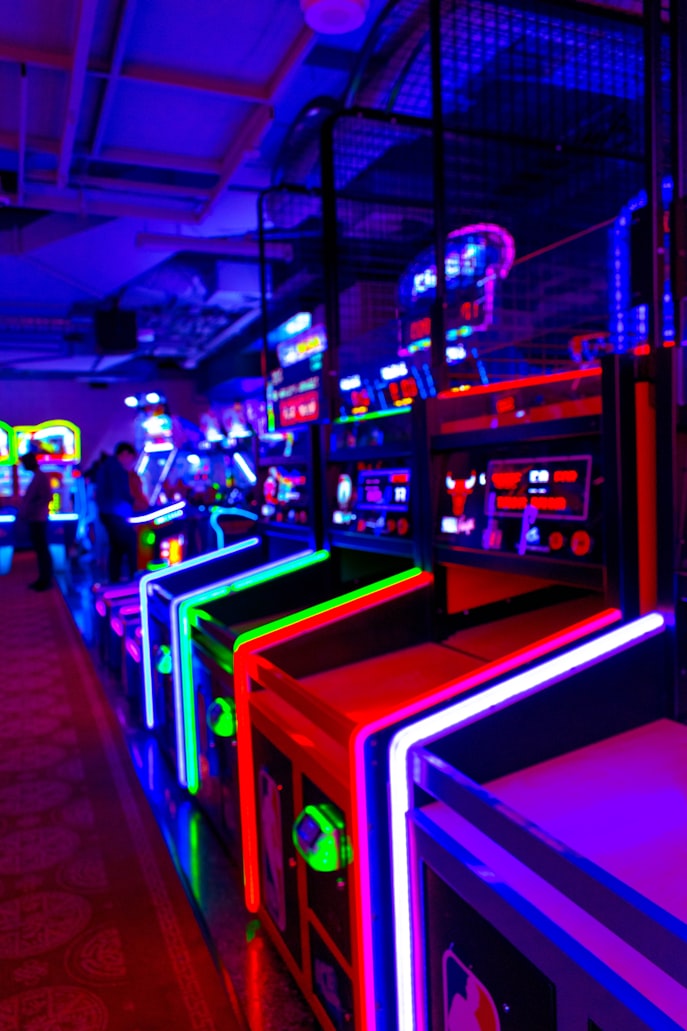
Gamification principles, such as reward systems and progress tracking, are increasingly being applied in casinos to enhance player engagement. For example, loyalty programs that offer points or rewards for gameplay can create a compelling incentive for players to return. This system taps into psychological principles such as the need for achievement and recognition, harnessing players’ desire to be recognized for their participation and success. The combination of rewards and technology presents a highly engaging experience that encourages sustained interaction, as players feel a sense of accomplishment with each milestone they achieve.
Moreover, the rise of mobile gaming has allowed players to access gambling platforms anywhere and at any time. This convenience can lead to increased impulsivity, as individuals can engage in gambling behavior without the traditional confines of a casino setting. Mobile applications often incorporate interactive features that replicate the social and competitive elements found in physical casinos, thus ensuring that the psychological triggers of gambling remain potent. The evolution of technology in gambling speaks to its adaptive nature in meeting the desires of modern players, creating a seamless bridge between traditional and digital gambling experiences.
Exploring Responsible Gambling and Resources
As the psychology of gambling continues to evolve in modern casinos, so does the importance of responsible gambling initiatives. Understanding the psychological aspects of gambling can aid in recognizing the potential for addiction and problematic behaviors. Many casinos now implement measures to promote responsible gambling, including player education and self-exclusion programs. These resources are essential for helping individuals make informed choices and maintain healthy gambling habits. By providing tools and information, casinos can empower players to gamble responsibly and recognize when they might need to take a break.
Additionally, mental health resources are becoming increasingly available to players who may struggle with compulsive gambling. Many organizations provide support and guidance for individuals seeking assistance, reinforcing the idea that seeking help is a sign of strength. Education on the risks associated with gambling can empower individuals to recognize potential warning signs and help mitigate the risks associated with gambling behaviors. The incorporation of mental health resources in casinos illustrates a growing awareness of the psychological impact of gambling and the need for supportive measures.
Websites dedicated to responsible gambling often provide tools for self-assessment, resource directories, and access to professional help. These platforms play a critical role in raising awareness about the psychological underpinnings of gambling and the importance of maintaining a balanced approach to the activity. By emphasizing the psychological aspects of gambling, individuals can make more informed decisions that prioritize their well-being and minimize the potential for negative consequences. The commitment to responsible gambling reflects a broader understanding of the need for balance in an industry that thrives on excitement and chance.